
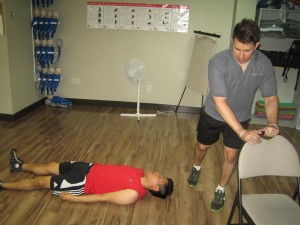
 Febrile seizure is a convulsion in a child elicited by a fever. It is also called febrile convulsion. It can be very frightening and distressing for parents and caregivers to see children going in a fit, however, it is usually harmless and does not frequently pose long-term effects. It is especially common in children between nine months and five years of age, affecting mostly toddlers. Febrile seizures usually occur within the first 24 hours of onset of fever, not necessarily at the peak of the fever. They are often genetic.
Types of Febrile Seizures
There are two main types of febrile seizures, depending on the severity of symptoms.
- Simple febrile seizure (more common)
- Also called tonic clonic seizure
- Does not last for more than 15 minutes
- Not recurring
- Complex febrile seizure
- Also called focal or partial seizure because symptoms only manifest in one part of the body
- Lasts longer than 15 minutes
- Another seizure occurs within 24 hours after first seizure or period of illness
- No full recovery after one hour
Causes of Febrile Seizures
The exact cause of febrile seizures is unknown, although it is usually associated with high-grade fevers (100.4°F or 38°C). High-grade fevers are typically caused by infections to the body. Common infections include:
- Flu (influenza), chickenpox and other viral infections
- Middle ear infection
- Tonsillitis
- Gastroenteritis
- Post-immunization
Signs and Symptoms of Febrile Seizures
Febrile seizures may either be mild or severe. It typically lasts only within a few seconds to ten minutes, but there are reported cases where the seizure lasted for more than 15 minutes.
- Mild symptoms: rolling eyes or stiffening limbs
- Sudden tightening of the muscles on both sides of the body (contraction) for several seconds
- Rhythmic jerking of the body
- Breathing difficulty
- Moaning or crying child
- Vomit
- Bite the tongue
- Foaming of mouth
- If standing, may suddenly fall
- Passing urine
- For children with obstructed airway, cyanosis of the face
- Unresponsive or may lose consciousness
First Aid Treatment for Febrile Seizures
There is not much that can be done when a child has febrile
seizures. It is necessary for a parent or caregiver not to panic. It is important to give first aid to prevent or minimize injuries.
- Keep the child safe. As much as possible, do not move the child unless absolutely necessary. Move or remove any hard objects or furniture the child may hit.
- Do not try to restrain the child nor should anything be put inside in the mouth.
- If possible, try to slide a blanket under the child if the floor is hard.
- Loosen any tight clothing, especially around the neck.
- If the child vomits, turn him/ her to the side.
- Concentrate on treating the child for fever.
To learn how to manage children for febrile seizures and other seeming medical emergencies, enroll in Emergency childcare first aid and CPR courses.